Sporting
GT3, GT4 and Touring Cars: the class structure explained
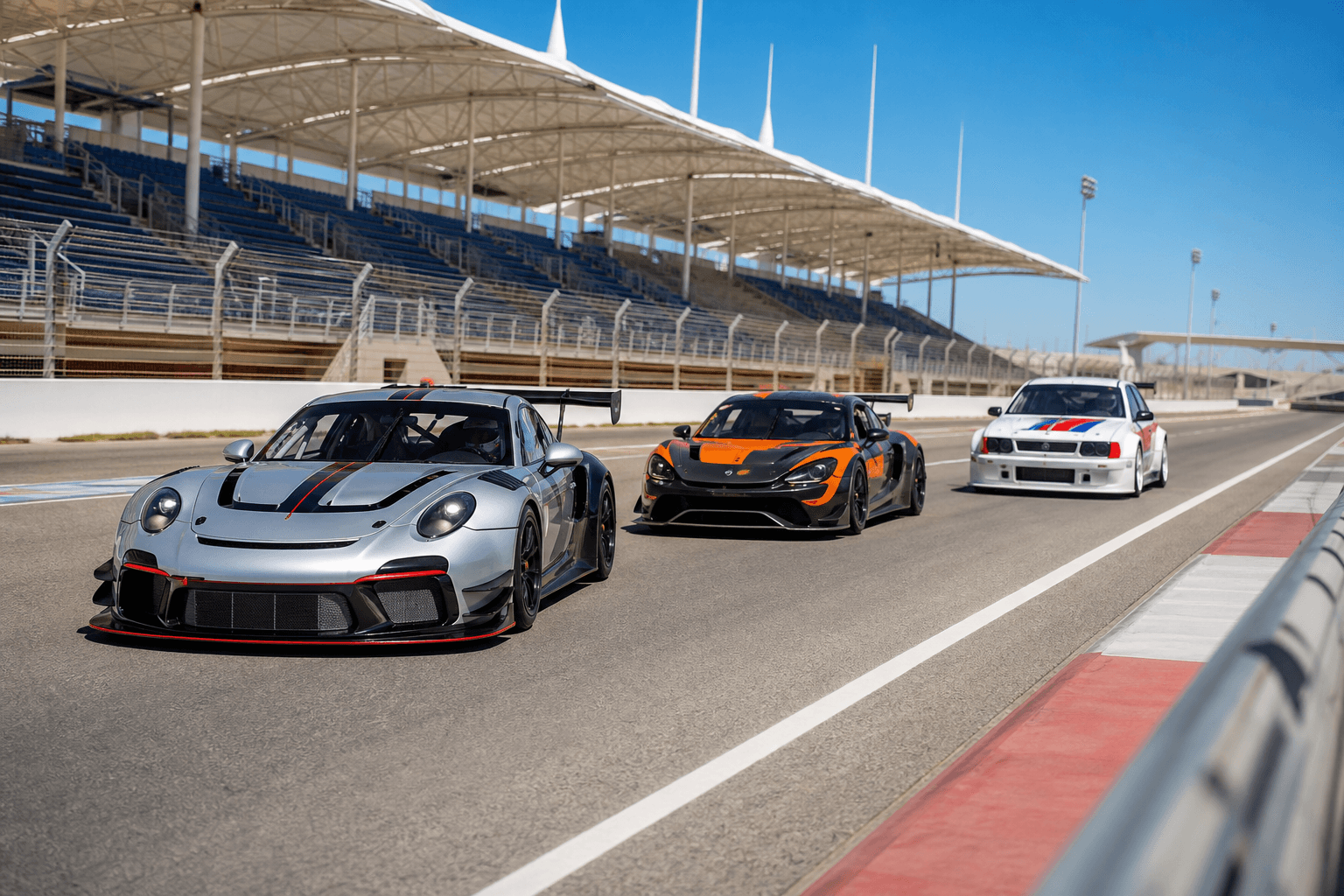
Two groups, four classes, and a Silver/Bronze driver categorisation — a clear guide to how the Gulf Championship grid is organised, and why it means several championships in a single race.
One of the most important decisions any new championship makes is how to organise its grid. Get it right and you create close racing, a clear ladder for talent, and several stories unfolding within a single race. The Gulf Championship grid is split into two groups and four classes, with a driver categorisation system layered on top — here is how it all fits together.
Group A — the premier classes
GT3 is the headline class and the fastest machinery on the grid: manufacturer-built cars, with hundreds of horsepower and sophisticated aerodynamics, that form the backbone of professional GT racing all over the world. These are the cars fans will recognise from the great endurance classics, now going wheel-to-wheel across the Gulf.
Sharing the premier group is the one-make Porsche Cup. With every car built to the same specification, the Cup strips performance differences away and puts the emphasis squarely on driver craft, racecraft and preparation. It is one of the purest forms of competition in the sport — and a proven proving ground for drivers on the way up.
Group B — the proving ground
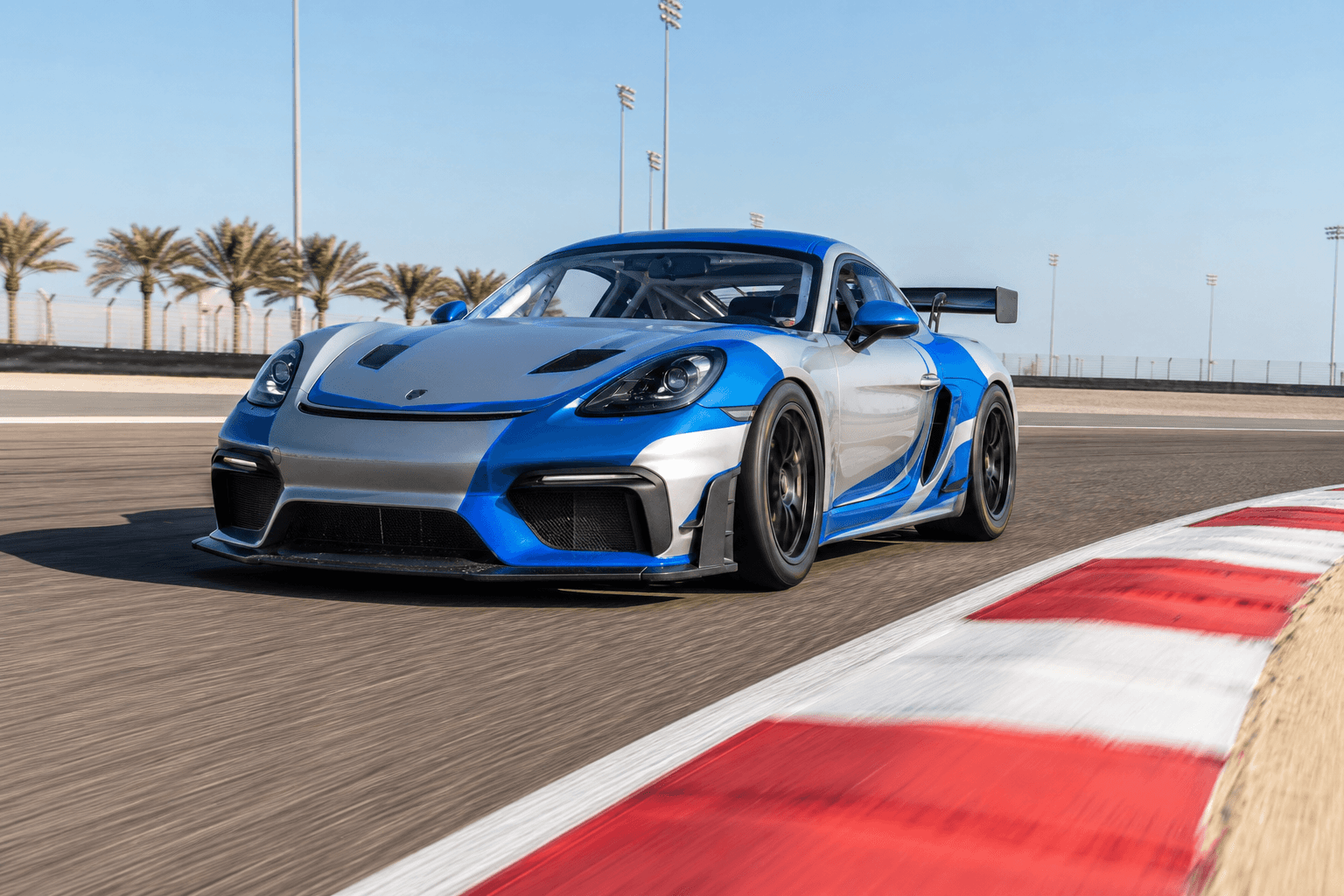
Group B is where many careers take their next step. GT4 offers accessible, closely-matched GT racing in cars derived from road-going sports cars — quick, durable and forgiving enough to develop in, but competitive enough to demand real pace. For ambitious Gulf talent, it is the natural rung between club racing and the GT3 summit.
Completing the bill are the touring cars: lighter, closer in performance and famous for door-to-door combat. Tight grids and contact-close racing make the touring-car battles some of the most entertaining of any weekend, and a perfect entry point for drivers and fans alike.
Silver and Bronze: the driver categories
Across the classes, drivers are graded to keep the competition fair and the field deep. The categorisation recognises that a grid is rarely made up of drivers at identical levels — and turns that into an advantage by creating distinct championships within the field:
- Silver — fast, semi-professional and rising drivers contesting the main classes; the competitive core of the grid and the benchmark every newcomer measures themselves against.
- Bronze — the gentleman-driver category for accomplished amateur racers, a key audience the championship is purpose-built to welcome and develop.
The result is a grid with something for everyone: outright pace at the front, fierce category battles through the field, and a clear path for a driver to arrive, develop and progress. For fans, it means there is always more than one race to follow — the win, the class, and the category, all decided on the same lap.